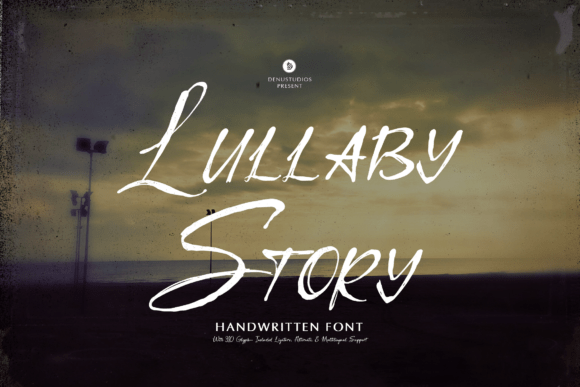
Lullaby Story Font: A Handwritten Typeface for Branding
I was standing in my studio last Tuesday, staring at a plain white candle label that felt completely disconnected from the warm, botanical scent inside the jar. The product was ready, the packaging supplier had delivered, but the typography felt cold and industrial. As a small business owner, you know this specific frustration well. You have poured hours into perfecting your craft, yet the visual identity on the shelf doesn't quite capture the heart of what you’ve built. This is often where the difference between a hobbyist project and a polished brand lies. In my search for a typeface that could bridge that gap without looking like generic clip art, I tested Lullaby Story, a handwritten font that has since become a staple in my branding toolkit.
Finding the right script amp or display font is rarely just about aesthetics; it is about communication. When I applied Lullaby Story to those candle labels, the shift was immediate. The font carries a gentle, organic rhythm that mimics natural handwriting rather than digital perfection. It didn't scream for attention; instead, it invited the customer to lean in. For businesses in the homeware, beauty, or artisanal food spaces, this level of visual intimacy is crucial. It signals to the buyer that a human being made this product with care. If you are currently refreshing your product line or starting a new venture, understanding how this typeface performs in real-world applications can save you time and elevate your perceived value.
Elevating Product Packaging and Labels
The true test of any creative font is legibility at small sizes. Many beautiful scripts fail when shrunk down to a 2-inch sticker or a narrow bottle neck tag. In my experience using Lullaby Story for packaging design, it strikes a surprisingly functional balance. The letterforms are distinct enough to remain readable on ingredient lists or scent names, yet they retain enough decorative flair to serve as a primary identifier. I used it specifically for the product name on a soy wax candle jar, keeping the technical details in a clean sans serif font below. This hierarchy is essential. You want the emotional hook to be the handwritten element, while the practical information remains utilitarian and clear.
Beyond candles, I can easily see this typeface working beautifully for bakery boxes, skincare dropper bottles, or boutique clothing tags. The texture of the strokes suggests warmth and nostalgia, which pairs exceptionally well with matte papers, textured cardstock, and uncoated labels. If you are designing for print, remember that ink spread can sometimes thicken delicate script lines. Lullaby Story holds up well because its strokes aren't overly spindly, but always request a physical proof before committing to a large print run. Seeing the font on the actual substrate ensures that the delicate charm translates from screen to shelf without losing its character.
Creating Consistent Digital Brand Assets
Your brand identity needs to survive the transition from physical packaging to mobile screens. One of the biggest challenges in modern typography is ensuring a display font remains impactful in Instagram thumbnails or website banners. I integrated Lullaby Story into social media templates for product launches and found that it photographs beautifully. Because the font has a relaxed, flowing baseline, it feels native to lifestyle photography and flat lays. It doesn't look pasted on; it looks like part of the scene.
For web design and online shop graphics, use this typeface strategically. It is perfect for headlines, promotional badges, or signature sign-offs, but avoid using it for long paragraphs of body text. Readability on mobile devices is paramount for conversion. I recommend pairing Lullaby Story with a modern, geometric sans serif or a classic editorial serif for your main content. This contrast not only improves user experience but also makes the handwritten elements pop more effectively. When customers scroll through your feed or browse your Etsy shop, that flash of authentic handwriting acts as a visual anchor, stopping the scroll and reinforcing brand recognition amidst a sea of standard system fonts.
Versatility Across Business Touchpoints
A premium font investment should pay dividends across multiple areas of your business, not just on a single product. What makes Lullaby Story particularly valuable for entrepreneurs is its range. Beyond packaging and social media, it brings a cohesive thread to other customer touchpoints. Consider these practical applications where a personal touch drives loyalty:
- Thank-You Cards and Inserts: Using this font for headers on packing slips creates an unboxing experience that feels bespoke, even if you are printing them in bulk.
- Business Signage and Menus: For cafés or pop-up shops, the font adds artisanal credibility to chalkboard designs or printed menu boards.
- Logo Design and Wordmarks: Its unique ligatures and alternates allow for custom logo treatments that don't look like stock templates.
- Merchandise: T-shirts, tote bags, and mugs benefit from the font's casual elegance, making branded merch feel like fashion rather than advertising.
This versatility helps maintain visual consistency, which builds trust. When a customer sees the same typographic voice on your Instagram ad, your website banner, and the thank-you note in their package, they subconsciously register your business as professional and established. That consistency is often what separates a fleeting trend from a lasting brand.
Practical Tips for Licensing and Implementation
Before you fall in love with a typeface and build your entire rebrand around it, handle the logistics. Always verify the commercial licensing terms included with Lullaby Story. Some fonts are free for personal use but require a paid license for products intended for sale, logos, or digital templates. As a business owner, protecting yourself legally is just as important as the aesthetic choice. Ensure the license covers your specific intended use, whether that is physical merchandise, client work, or digital downloads.
Additionally, explore the included OpenType features. High-quality script fonts often come with alternate characters, swashes, and ligatures that prevent repetitive letterforms. Using these variations can make your logo or headline look truly custom rather than typed out. Check for multilingual support if you plan to sell internationally or cater to diverse communities. Finally, test the font in context before finalizing any design. Print it out, view it on your phone, and show it to a friend who isn't a designer. Their first impression will tell you if the mood matches your message. Lullaby Story offers a wonderful foundation for brands seeking warmth and authenticity, but like any tool, its success depends on thoughtful, intentional application.